
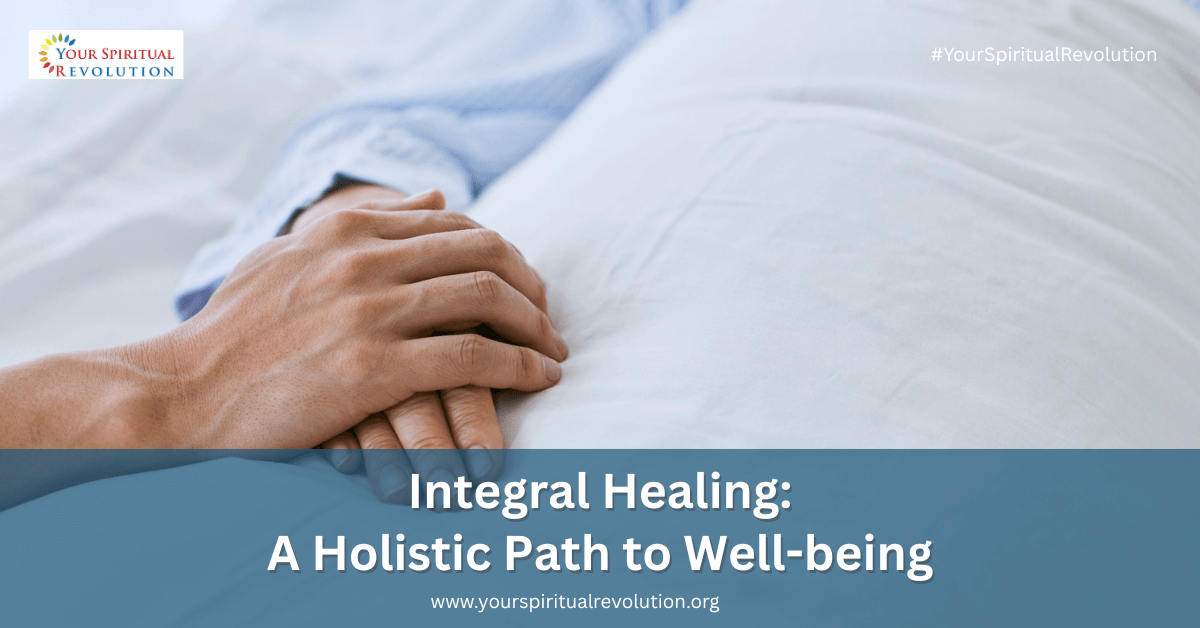
Integral Healing – A Holistic Path to Well-being

Integral Healing transcends conventional approaches by acknowledging the interconnectedness of our being. It’s a comprehensive philosophy and practice addressing health from physical, emotional, mental, and spiritual dimensions. This article delves into the core principles of integral healing, exploring how it fosters profound, lasting well-being by harmonizing every aspect of your existence.

Understanding Integral Healing Its Core Principles and Dimensions

Understanding Integral Healing, at its essence, involves a paradigm shift from merely alleviating symptoms to fostering complete restoration of an individual’s well-being. It is a profound departure from the conventional medical model that often compartmentalizes the body and treats isolated ailments. Instead, Integral Healing posits that true healing emerges from acknowledging and addressing the entirety of an individual’s experience – a holistic, multi-dimensional approach that deeply considers the intricate interconnectedness of all aspects of life. It recognizes that illness or imbalance in one area inevitably impacts others, and therefore, sustainable health can only be achieved by integrating care across these dimensions.

The core principles underpinning Integral Healing guide this comprehensive journey:

  1. Holism: This foundational principle asserts that an individual is not merely a collection of organs or symptoms, but rather a complex, dynamic system of interdependent parts. The mind, body, spirit, emotions, and environment are all inextricably linked, and a disturbance in one resonates throughout the entire system. Healing, therefore, must consider and engage all these facets simultaneously.
  2. Addressing Root Causes: Integral Healing transcends superficial symptom management. It delves deeper, seeking to identify and resolve the underlying imbalances, traumas, or systemic issues that manifest as discomfort or disease. This means moving beyond the “what” of the symptom to uncover the “why,” leading to more profound and lasting resolution.
  3. Personalized Approach: Recognizing the inherent uniqueness of each person, Integral Healing adopts a highly individualized strategy. There is no one-size-fits-all protocol, as each individual’s life history, genetic predispositions, emotional landscape, and environmental exposures demand tailored interventions and a customized path to well-being.
  4. Integration of Modalities: A defining characteristic is its open-minded willingness to draw upon a wide spectrum of healing tools. This includes the judicious application of conventional medical treatments alongside a rich array of complementary therapies, such as nutritional counseling, mindfulness practices, various forms of energy work, herbal medicine, and psychotherapy. The best approach is the one that best serves the individual’s specific needs at a given time.
  5. Self-Empowerment: Integral Healing actively fosters the individual’s role as an empowered participant, rather than a passive recipient, in their healing journey. It cultivates self-awareness, personal responsibility, and the development of inner resources, recognizing that true healing is an inside-out process that requires active engagement.

Integral Healing addresses several key dimensions of well-being, each crucial for complete restoration:

  • Physical Dimension: This encompasses the tangible aspects of health, including diet, exercise, adequate sleep, and processes of detoxification. It also acknowledges the role of conventional medical care when appropriate. Physical health is foundational; imbalances here can profoundly impact mental clarity, emotional resilience, and even one’s capacity for spiritual connection.
  • Emotional Dimension: This involves the healthy processing of feelings, releasing stored trauma, effective stress management, and cultivating emotional regulation. Unresolved emotional pain, suppressed grief, or chronic stress are often deeply implicated in physical ailments, creating blockages that prevent healing.
  • Mental Dimension: This focuses on cognitive aspects such as beliefs, thought patterns, cognitive biases, and the practice of mindfulness. A negative mindset, limiting beliefs, or chronic mental chatter can create physiological stress and significantly hinder the body’s natural healing capabilities. Cultivating mental clarity and positive cognition is paramount.
  • Spiritual Dimension: This explores an individual’s sense of purpose, meaning, connection to something greater than oneself, core values, and inner peace. Importantly, this is not necessarily tied to religious dogma but speaks to a deeper existential well-being, providing resilience and a guiding framework through life’s challenges.
  • Social and Environmental Dimension: This acknowledges the profound impact of relationships, community support, cultural influences, and the physical environment—including home, nature, and exposure to toxins—on overall health. External factors continually shape internal states, and a supportive, nourishing environment is essential for holistic recovery.

The synergistic interaction of these dimensions is what truly differentiates Integral Healing. It moves beyond the mere absence of disease to cultivate profound, sustainable healing and a higher state of well-being, allowing individuals to thrive in all aspects of their lives.

Conclusions

Integral Healing offers a powerful paradigm shift, recognizing that true well-being arises from integrating all aspects of self. By addressing physical, emotional, mental, and spiritual dimensions, it empowers individuals to move beyond symptomatic relief towards profound, sustainable health. Embrace this holistic journey to unlock your full potential for vitality and peace.

About The Author
Share:

Leave a Reply

Leave A Comment*
{{ reviewsTotal }}{{ options.labels.singularReviewCountLabel }}
{{ reviewsTotal }}{{ options.labels.pluralReviewCountLabel }}
{{ options.labels.newReviewButton }}
{{ userData.canReview.message }}

We'd love to hear from you!

Recent Blogs