
For thousands of years, people have turned to meditation to quieten a restless mind. Today it’s practised in temples and living rooms, recommended by therapists, and built into countless phone apps. Many people say it helps them feel calmer, sleep better and cope with life’s ups and downs.
But if you’re living with anxiety or low mood, it’s worth asking an honest question: what can meditation really do, and when is it time to look for something more?
What the research shows
The US National Center for Complementary and Integrative Health (NCCIH), part of the National Institutes of Health, keeps a summary of the evidence on meditation and mindfulness. It offers a balanced picture.
Anxiety and depression. NCCIH highlights a 2018 analysis of 142 groups of participants, more than 12,000 people in total, which found that mindfulness approaches worked as well as established evidence-based therapies for these conditions.
Anxiety disorders specifically. The picture is more mixed. A 2021 analysis of 23 studies involving 1,815 adults with anxiety disorders found mixed short-term results, and the few studies that followed people for more than two months found no long-term effects.
Stress. A 2019 review of 23 studies in college and university students found that all the practices studied had some effect, though NCCIH notes that most of the studies were of poor quality and had a high risk of bias.
Sleep. A 2019 analysis of 18 studies found that mindfulness improved sleep quality more than education-based approaches, with results similar to other evidence-based treatments such as cognitive behavioural therapy and exercise.
The takeaway? Meditation can genuinely help many people, especially with stress, mood and sleep. But it isn’t a guaranteed fix, and it works best as one part of a wider approach.
A note on safety
NCCIH says meditation and mindfulness are usually considered to have few risks, but adds that few studies have looked closely at possible harms. One 2020 review of 83 studies found that about 8% of participants experienced a negative effect, most often anxiety or depression.
That’s worth knowing, especially for anyone who has been through trauma or is in a fragile place. If a practice ever leaves you feeling worse, it’s fine to stop, switch to something gentler, or talk to someone about it.
NCCIH’s clearest advice is simple: don’t use meditation or mindfulness to replace conventional care.
Simple practices to start with
If you’re new to meditation, or returning after a break, keep it gentle:
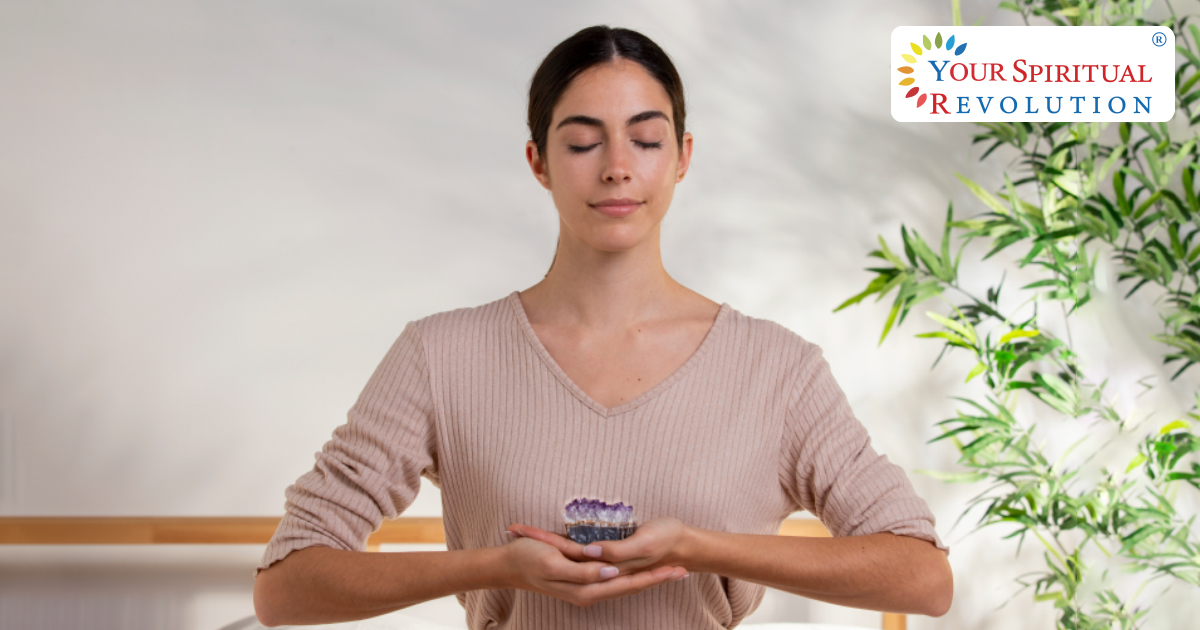
Breath awareness. Sit comfortably and notice your natural breath for a few minutes. When your mind wanders, gently return.
Body scan. Slowly move your attention from your toes to the top of your head, simply noticing sensations without trying to change them.
Walking meditation. Walk slowly and pay attention to each step, the ground under your feet and the air around you.
Loving-kindness. Silently offer kind wishes to yourself, then to loved ones, then gradually to others.
Keep your eyes open if you prefer. Focusing on an object, a candle or a view can feel safer than closing your eyes for some people.
Even five or ten minutes a day, practised regularly, can be meaningful.
When meditation isn't enough
Meditation is a wonderful tool, but some signs suggest it’s time to reach out for more support:
Seeking help in these moments isn’t a spiritual failure. It’s an act of self-respect.
- Low mood, worry or panic that lasts more than a couple of weeks
- Trouble sleeping, eating or getting through the day
- Losing interest in things you once loved
- Using alcohol or other substances to cope
- Thoughts of harming yourself
Seeking help in these moments isn’t a spiritual failure. It’s an act of self-respect.
What good support can feel like
When looking for a therapist or mental health service, it helps to find people whose approach feels respectful and collaborative. Some services spell this out openly. One US mental health practice, for example, sets out its care values, describing the individual as the expert on their own life, honouring each person’s story in their own words, and treating asking for help as an act of bravery. Whatever the setting, these are good qualities to look for wherever you live.
It’s also fine to ask any therapist how they feel about meditation or spiritual practice. Many are happy to support practices that help you, alongside evidence-based treatment such as talking therapy or, where needed, medication.
Bringing it all together
The healthiest approach for many people combines several kinds of support:
Each one strengthens the others.
- A regular, gentle meditation or mindfulness practice
- Professional help when symptoms are persistent or severe
- Supportive relationships with friends, family or community
- Basics like sleep, movement, nourishing food and time in nature
Each one strengthens the others.
If you need help now
If you’re in crisis or having thoughts of suicide, please contact a crisis line or emergency services straight away. In India, the government’s Tele-MANAS helpline is available on 14416. In the UK, Samaritans can be called free, day or night, on 116 123. In the US, call or text 988.
A practice, not a test
Meditation was never meant to be a test you pass or fail. It’s a practice of returning, again and again, to the present moment with kindness. And sometimes the kindest thing you can do for yourself is to let someone else help you carry the load.
Sources
- National Center for Complementary and Integrative Health. Meditation and Mindfulness: Effectiveness and Safety (last updated June 2022).
https://www.nccih.nih.gov/health/meditation-and-mindfulness-effectiveness-and-safety - Tele-MANAS 14416 (Government of India mental health helpline; number as previously verified for an earlier article).
- Samaritans. Homepage (116 123, free, day or night; checked October 2026).
https://www.samaritans.org - Mind Body Optimization. Mission & Values (client page; read November 2026).
https://mindbodyo.com/mission-values/