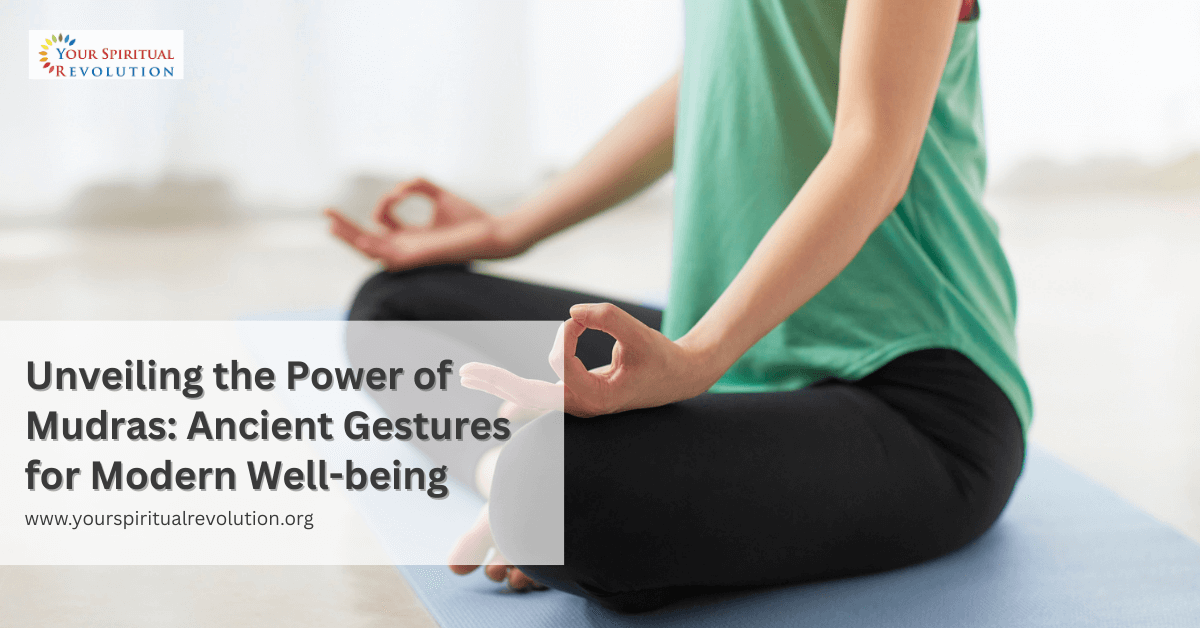
Mudras, symbolic gestures predominantly performed with hands and fingers, hold deep significance across Hinduism, Jainism, and Buddhism. More than mere poses, they are powerful tools used in spiritual practice, yoga, and dance. This article delves into the origins, diverse forms, and enduring relevance of Mudras, uncovering their impact on mind, body, and spirit.
Mudras Their Meaning, Forms, and Enduring Relevance
A mudra, derived from the Sanskrit root, fundamentally translates to ‘seal’, ‘mark’, or ‘gesture’. More profoundly, it signifies a means to ‘seal in’ or ‘channel’ energy and consciousness. While often visually associated with specific hand and finger positions, the concept of mudra extends far beyond the physical manipulation of digits. It encompasses a vast array of symbolic or ritual gestures that can involve the entire body, including posture, breath, and even internal mental states. From the earliest Vedic texts to the sophisticated practices of Tantra, Mudras have served as potent tools for spiritual practitioners across Hinduism, Jainism, and Buddhism, acting as conduits for intention, belief, and energetic flow, shaping both the inner world of the practitioner and the external expression of their faith.
The applications of Mudras are diverse and deeply integrated into various cultural and spiritual domains:
-
Spiritual Practice and Iconography: In the rich tapestry of spiritual practice and iconography, Mudras are indispensable. They are integral to the visual language of Hindu and Buddhist art, where deities and enlightened beings are depicted with specific hand gestures that convey profound narratives, qualities, or intentions. For instance, the Abhaya mudrā, a gesture of reassurance and protection (right hand raised, palm outwards), speaks of fearlessness and divine solace. The Bhūmisparśa mudrā, or ‘earth-touching’ gesture, famously depicted in images of the Buddha, symbolizes his moment of enlightenment, calling the earth to witness his awakening. These iconographic mudras are not merely decorative; they are mnemonic devices and condensed spiritual teachings, communicating a deity’s inherent nature.
-
Yoga and Pranayama: Within the disciplined frameworks of Yoga and Pranayama, Mudras assume a more internalized and often subtle dimension. Here, they are employed in conjunction with specific breathing techniques and postures to redirect and amplify the flow of prana, or life force, within the body, thereby stimulating different energetic centers and systems. While some, like hastas mudras (hand gestures), are external, many vital mudras in Hatha Yoga are internal actions, known as bandhas or ‘locks’. Mula Bandha, the ‘root lock’, involves perineal contraction, drawing energy upwards. Mahamudra, the ‘great seal’, integrates posture, breath retention, and energetic locks to unify prana and apana, leading to profound states. The esoteric Khecarī mudrā, manipulating the tongue to touch the soft palate and extend into the nasal cavity, is said to stimulate glands, generate spiritual nectar, and facilitate higher consciousness. These mudras are not merely symbolic but powerful physiological and energetic interventions.
-
Indian Dance: Beyond their spiritual and yogic applications, Mudras also find vibrant expression in various forms of Indian classical dance. Here, hand gestures, known as hastas or mudras, form a core expressive vocabulary, narrating stories, depicting emotions, and embodying characters with intricate detail. Every movement is imbued with symbolic meaning, transforming the dancer’s body into a living canvas of ancient myths.
The enduring relevance of Mudras in contemporary society stems from their profound ability to connect individuals with these deep cultural and spiritual currents. As tools for meditation, they offer tangible anchors for focus and intention. In wellness practices, they are explored for their potential to balance energy and alleviate stress, echoing ancient understandings of mind-body connection. Moreover, as avenues for self-expression, they provide a non-verbal language that transcends cultural barriers, allowing for a deeper exploration of inner states and a richer interaction with artistic and spiritual traditions. Their journey from ancient rituals to modern practices underscores their universal appeal and their timeless capacity to empower and transform.
Conclusions
In summary, Mudras are rich, multifaceted symbolic gestures with ancient roots in various spiritual and artistic traditions. Their relevance extends beyond mere symbolism, influencing spiritual focus, energy flow, and physical well-being. Understanding and incorporating Mudras can offer a pathway to deeper connection and holistic harmony, truly making them timeless practices for modern living.