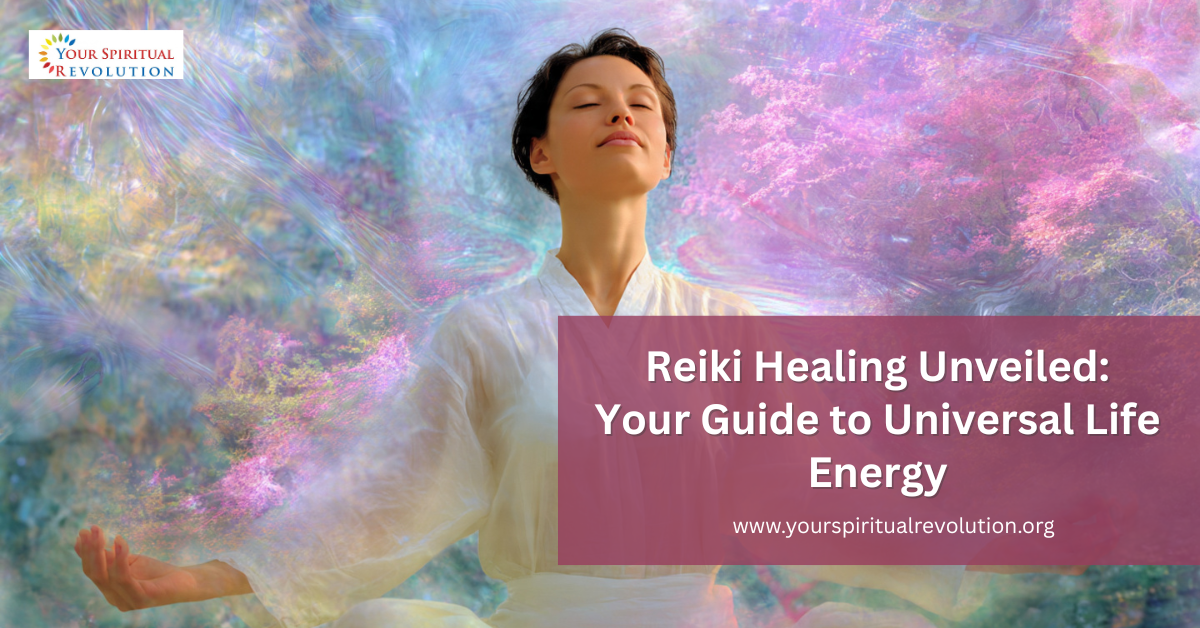
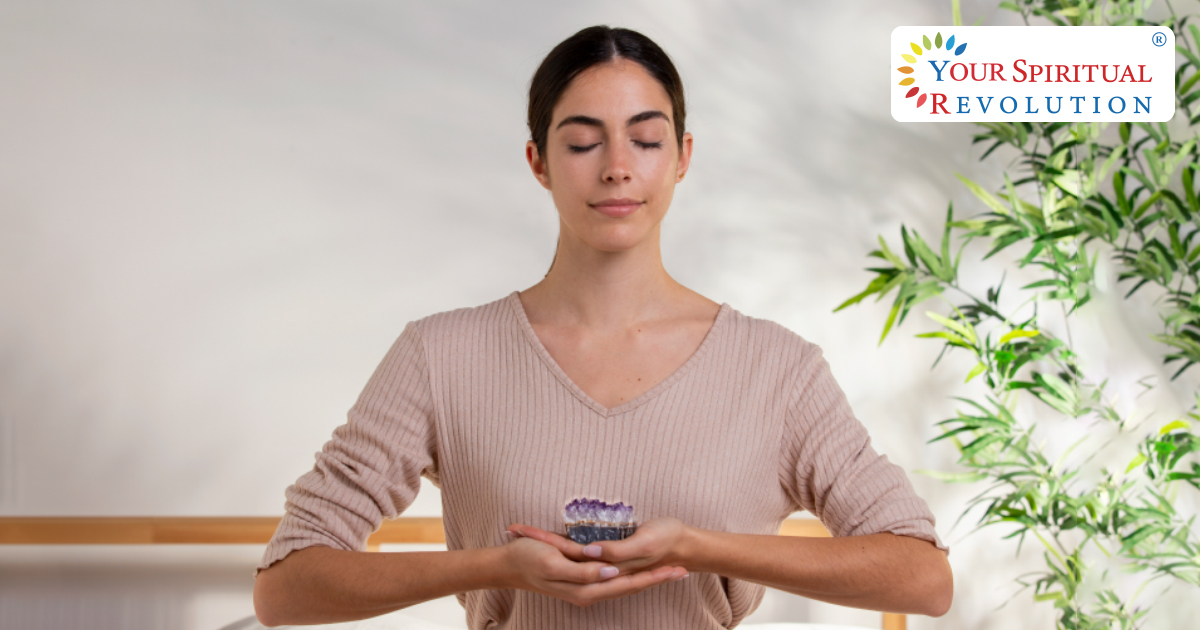
Reiki healing, an alternative therapy originating in Japan, focuses on channeling universal life energy to promote physical and emotional balance. This practice, deeply rooted in the concept of ‘qi’ or life force, aims to encourage the body’s natural healing abilities. Explore the fascinating world of Reiki and its gentle approach to holistic wellness, offering a pathway to inner harmony and rejuvenation.
The Essence of Reiki Understanding its History, Principles, and Practice
Reiki, a profound method of energy healing, finds its genesis in early 20th-century Japan, developed by Mikao Usui. Usui, a dedicated spiritual seeker, embarked on a quest to understand ancient healing methods, culminating in a transformative experience on Mount Kurama. There, he reportedly received the spiritual insights and attunements forming the foundation of what is now known as Reiki. This system, originally Usui Reiki Ryoho, was conceived as both a path to spiritual enlightenment and a practical tool for self-healing and helping others, drawing upon ancient wisdom and Usui’s unique revelations.
At its core, Reiki operates on the belief in a ‘universal life energy’ that permeates all living things. This omnipresent energy, often referred to as qi (chi in Chinese medicine) or prana (in Ayurvedic traditions), is understood by practitioners as the vital force sustaining life, health, and consciousness. When this energy flows freely and unimpeded within an individual, optimal physical, emotional, and mental health and balance are maintained. Conversely, blockages or imbalances in this subtle energy field are believed to contribute directly to physical ailments, emotional distress, and mental disharmony. Reiki aims to restore this essential equilibrium by gently channeling universal energy through the practitioner to the recipient.
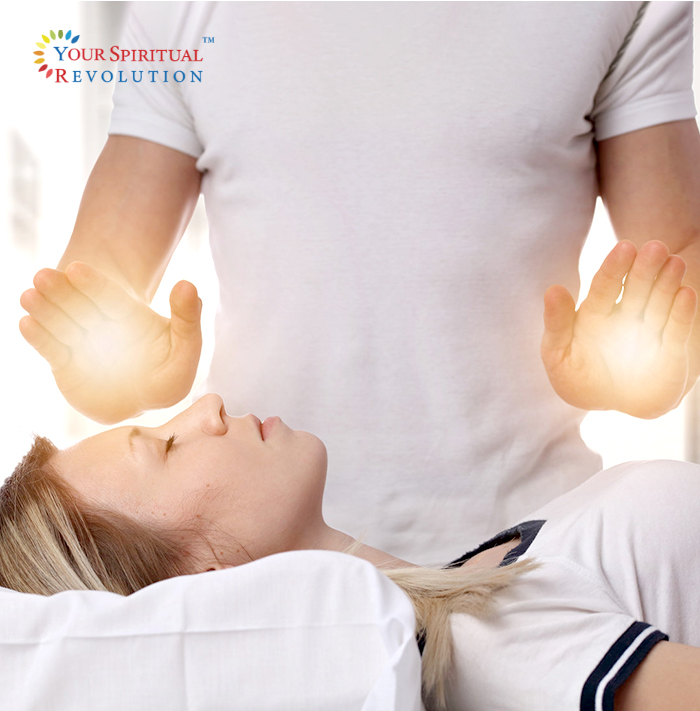
The core technique in a typical Reiki session is known as ‘palm healing’ or ‘hands-on healing’. The recipient usually lies comfortably, fully clothed, while the practitioner gently places hands on or slightly above specific points on the body, often corresponding to major energy centers. These hand positions are maintained for several minutes, allowing universal life energy to flow through the practitioner and into the client. Practitioners act purely as conduits, facilitating this healing energy transfer without using their personal energy, ensuring they remain refreshed. Recipients may experience sensations like warmth, tingling, coolness, or profound relaxation, as the energy works to clear blockages and activate the body’s innate healing mechanisms.
From the perspective of Reiki adherents, this gentle yet powerful energy transfer encourages a holistic healing process, addressing not just overt physical symptoms but also underlying emotional and mental imbalances. The channeled energy is believed to activate the body’s natural healing capabilities, promoting profound relaxation that significantly reduces chronic stress. This deep relaxation helps the nervous system shift from a hyper-vigilant ‘fight or flight’ response to a restorative ‘rest and digest’ state, fostering an optimal internal environment conducive to self-repair. Practitioners assert that regular sessions can lead to greater emotional clarity, reduced pain, improved sleep quality, and an overall pervasive sense of peace and balance, supporting the individual’s journey toward wholeness.
The practice of Reiki is typically taught through a series of progressive levels, each involving an ‘attunement’ process by a Reiki Master. This sacred ritual is believed to permanently open and connect the student to the universal energy, enabling them to channel Reiki effectively.
- Reiki Level 1 (Shoden) focuses on foundational self-healing and hands-on healing for others, teaching essential hand positions and ethical principles.
- Reiki Level 2 (Okuden) introduces sacred symbols that empower the energy and enable practitioners to perform distant healing. From a practitioner’s viewpoint, this involves using intention and these symbols to connect with a recipient’s energy field across any distance, sending healing energy as effectively as if physically present, thereby bridging time and space.
- The Reiki Master Level (Shinpiden) signifies a deeper spiritual commitment, further deepening the practitioner’s connection to the energy and enabling them to teach and attune others, perpetuating the lineage of Reiki.
The reported benefits for those who embrace Reiki are diverse and profound, extending beyond mere physical relief. Adherents often speak of an enhanced sense of spiritual growth and connection, a profound calming of the mind that fosters greater clarity, focus, and emotional resilience. It is believed to strengthen the body’s intrinsic ability to repair itself, accelerating recovery from injury or illness. Reiki is widely seen as a gentle, complementary therapy that supports the body’s natural restorative processes, aids in gentle detoxification, and provides immense comfort during times of illness, stress, or emotional upheaval, enriching one’s journey toward comprehensive well-being and inner harmony.
Conclusions
Reiki healing offers a unique perspective on well-being, centered on the gentle flow of universal life energy. As a practice, it encourages deep relaxation and aims to support the body’s innate capacity for balance and harmony. Whether seeking stress reduction or a sense of inner peace, understanding Reiki provides insight into an approach to holistic health that continues to resonate with many, fostering a deeper connection to personal energy.