Reiki healing is a form of alternative medicine that claims to promote emotional and physical healing through the transfer of universal energy. Originating in Japan, this practice has gained popularity worldwide, capturing the interest of many who seek holistic approaches to health. This article delves into the principles, techniques, and controversies surrounding Reiki.
The Principles and Techniques of Reiki Healing
The principles of Reiki healing are rooted in the traditions established by Mikao Usui in the 1920s, originating from Japan. Central to this practice is the concept of ‘qi’ or ‘universal life energy,’ which is believed to flow through all living beings. Practitioners of Reiki hold that this life energy can be harnessed and channeled to promote healing, balance, and overall well-being. The term “Reiki” itself is derived from two Japanese words: “Rei,” meaning “universal,” and “Ki,” meaning “life energy.”
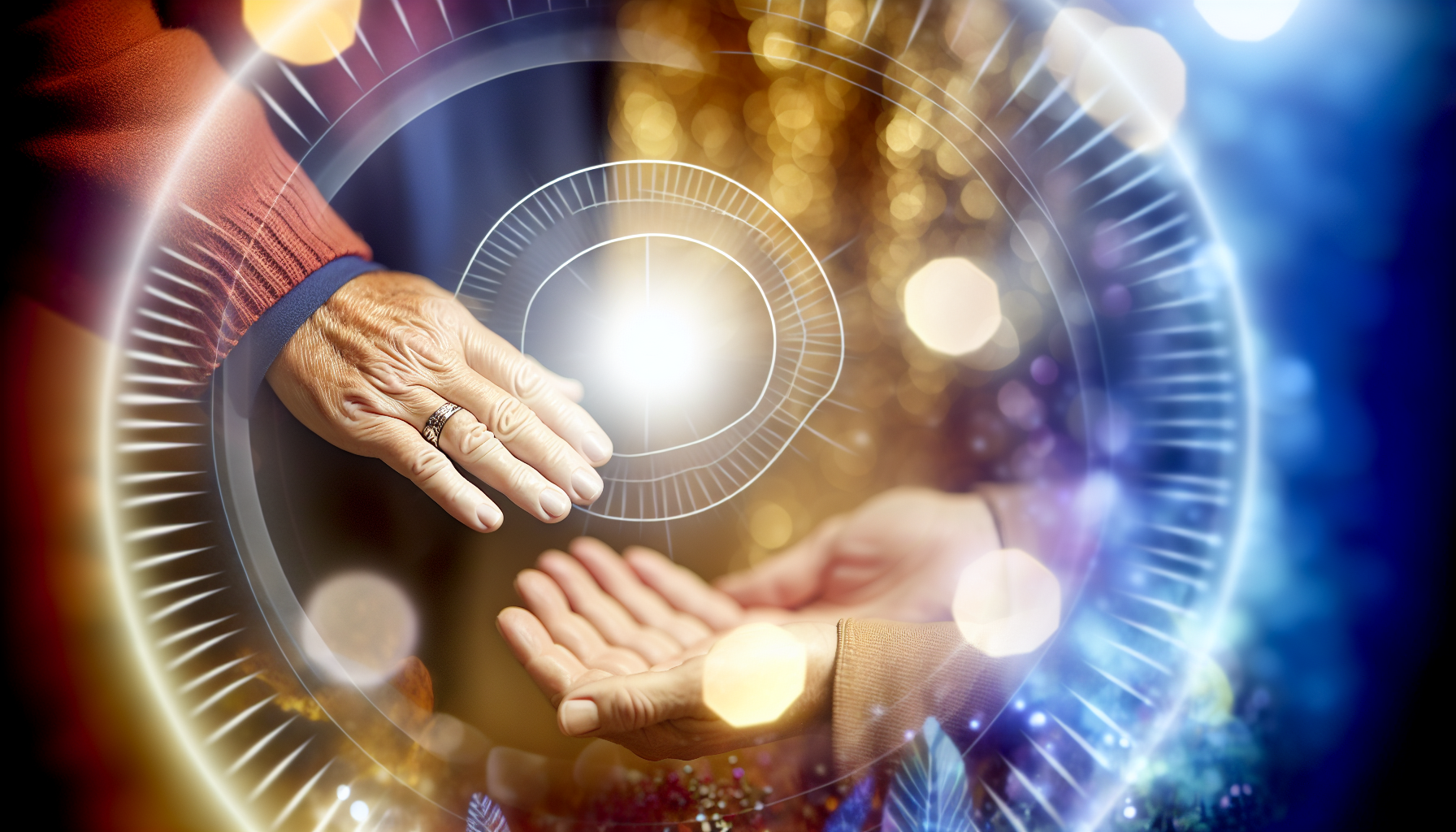
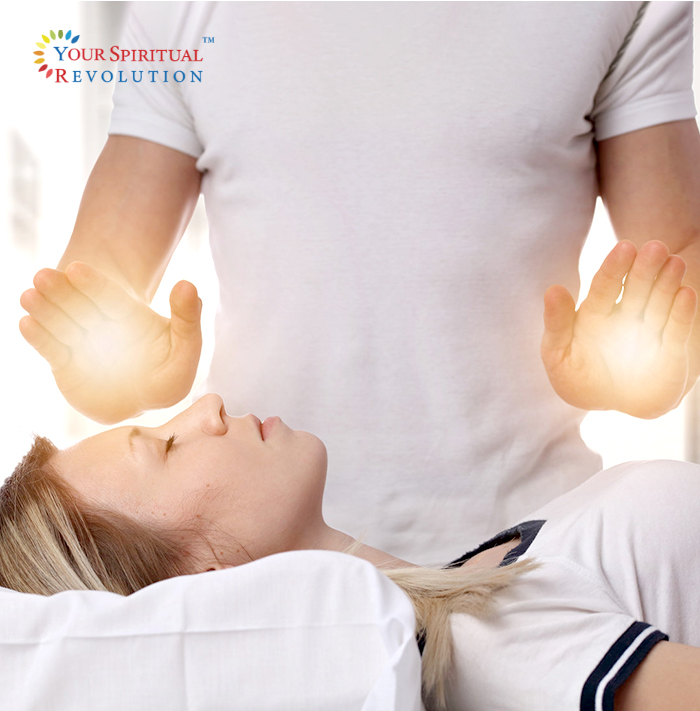
Reiki operates on the premise that blockages or disruptions in the flow of qi can lead to physical, emotional, and spiritual ailments. By restoring balance to this energy flow, Reiki practitioners aim to facilitate natural healing processes. Techniques used in Reiki vary, but among the most recognized are palm healing and distant healing. In palm healing, the practitioner lightly places their hands on or near the recipient’s body, allowing energy to flow through their hands. This technique often induces deep relaxation and could support the body’s innate healing mechanisms. Distant healing, on the other hand, extends the practice beyond physical presence, enabling a practitioner to send healing energy to someone at a distance, based on the belief that energy is not confined by time or space.
A typical Reiki session usually lasts between 60 to 90 minutes. During this time, the recipient generally lies fully clothed on a treatment table while the practitioner carries out their work. The session often begins with a brief consultation to understand the recipient’s concerns and intentions. Following this, the practitioner enters a meditative state to tap into the universal energy flows, systematically placing their hands in a series of positions over or near the recipient’s body. Indicators that energy is being exchanged may include sensations of warmth, tingling, or deep relaxation experienced by the recipient.
Reiki practitioners are typically categorized into three levels or degrees, each taking on increasing responsibility and understanding of the practice. Level 1 practitioners focus on hands-on healing techniques, while Level 2 practitioners learn distant healing and the use of symbols to enhance their skills. Level 3 practitioners attain mastery and are often tasked with teaching and initiating others into the practice.
Despite its growing popularity, it’s important to approach Reiki with a critical perspective as the empirical evidence supporting its efficacy remains limited. Research on Reiki has yielded mixed results, with some studies suggesting benefits and others finding no significant effects compared to placebo. This underscores the importance of complementary practices and the understanding that while Reiki may offer valuable supportive care, it should not replace conventional medical treatments. Nonetheless, many individuals have reported positive experiences with Reiki, highlighting its potential as a beneficial addition to holistic health practices.
Conclusions
In conclusion, while Reiki healing attracts many who are interested in alternative therapies, it remains a controversial practice lacking scientific validation. Understanding its principles and techniques is essential for those looking to explore this healing modality. Whether viewed as a form of spiritual healing or pseudoscience, Reiki continues to evoke curiosity and discussion in the wellness community.