



Post-Detox Wellness Staying Clean and Centered for the Long Run

Post-Detox Wellness: Staying Clean and Centered for the Long Run

Detox is just the beginning of the recovery journey. After the body clears the substances, the real work begins—healing the mind, rebuilding habits, and creating a life that supports lasting sobriety. Many people feel a mix of hope and fear after detox. It’s a fresh start, but also an unknown path.

Staying clean requires more than willpower. It calls for daily care, emotional support, and a strong connection to your purpose. In this article, we’ll explore how to stay clean and centered after detox by creating a sustainable wellness routine.

Why Life After Detox Feels Challenging

Finishing detox is an achievement worth celebrating. But many people struggle in the weeks and months that follow. Cravings may linger. Emotional pain can rise. And old triggers often return.

According to the Substance Abuse and Mental Health Services Administration (SAMHSA), relapse rates after detox range between 40% and 60% without ongoing support (SAMHSA, 2022).

This doesn’t mean failure. It means that recovery is a process, and healing takes time.

Building a Wellness Foundation

Post-detox wellness is about building routines that keep your body strong, your mind calm, and your emotions balanced. You don’t have to do everything at once. Start small. Stay consistent. Grow from there.
1. Create a Daily Routine

A regular schedule brings structure and stability—two things the brain needs after addiction.

Tips:
  • Wake up and sleep at the same time daily.
  • Include time for meals, rest, movement, and reflection.
  • Plan your day the night before to reduce stress.

Having a routine also helps reduce decision fatigue, which can lead to relapse when willpower is low.
2. Eat for Energy and Mood
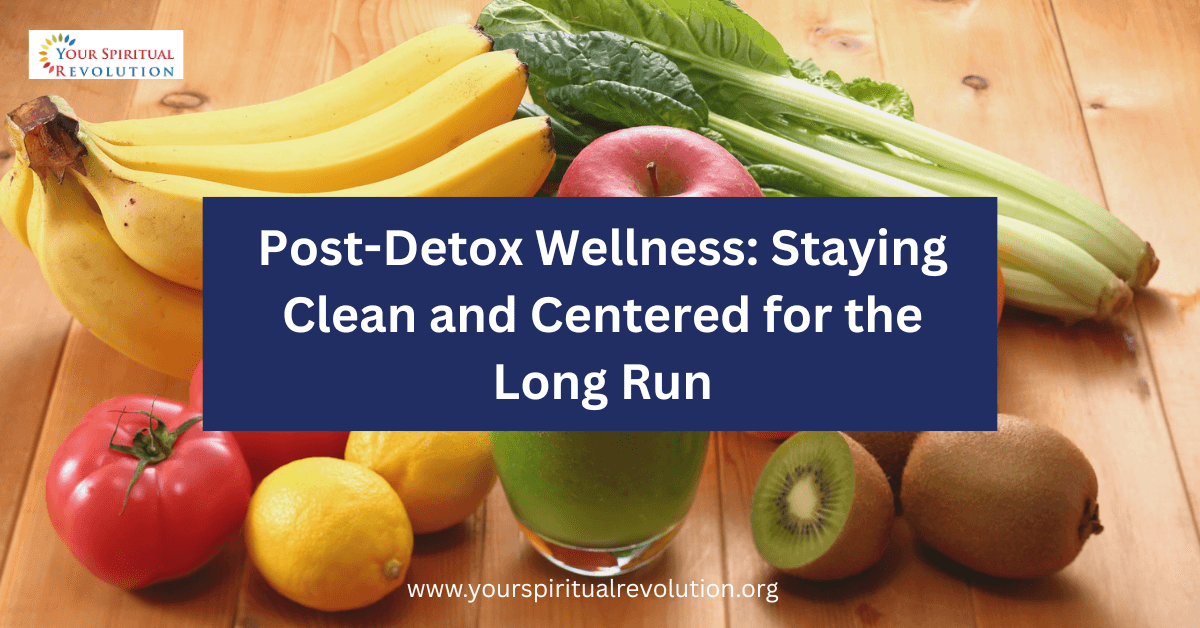
Nutrition plays a huge role in recovery. Substance use often depletes the body of key nutrients. A healing diet can improve mood, sleep, and brain function.

Eat more:
  • Whole foods: fruits, vegetables, lean proteins, nuts, and seeds
  • Omega-3s: found in fish, flaxseeds, and walnuts
  • Fermented foods: like yogurt and kimchi for gut health

Limit or avoid:
  • Sugar and caffeine spikes
  • Processed foods
  • Alcohol and non-prescribed substances


A study in Frontiers in Psychology found that people who followed a nutrient-rich diet had lower depression and anxiety levels during recovery (Jacka et al., 2017).
3. Move Your Body
Exercise doesn’t just build muscles—it also rewires your brain. Physical activity increases dopamine and serotonin, the feel-good chemicals often depleted by addiction.

Try:
  • Walking 20 minutes a day
  • Gentle yoga
  • Dancing to music you love
  • Stretching or light strength training

Movement also improves sleep, reduces cravings, and boosts self-confidence.

Strengthen Emotional Health

Staying clean means facing feelings instead of avoiding them. That takes courage—and emotional tools.
4. Practice Mindfulness
Mindfulness means being present without judgment. It helps you observe cravings and emotions without reacting.

Simple practice:
  • Sit quietly for 5 minutes.
  • Focus on your breath.
  • When thoughts come, notice them and return to your breath.

According to the Journal of Substance Abuse Treatment, mindfulness reduces relapse risk by helping people pause and choose a healthy response (Witkiewitz et al., 2014).
5. Journal to Reflect
Writing clears the mind and connects you to your inner world. Use your journal to track triggers, celebrate wins, or vent emotions.

Prompts:
  • “What helped me stay clean today?”
  • “What emotions did I feel?”
  • “What do I need to feel safe tomorrow?”

Journaling builds self-awareness and helps prevent emotional buildup.
6. Stay Connected
Loneliness can lead to relapse. Connection is a powerful tool for healing.

Ways to connect:
  • Join a recovery group like AA or SMART Recovery
  • Talk to a sponsor or recovery coach
  • Spend time with sober friends or family
  • Volunteer in your community

Research shows that people with strong social support are more likely to maintain long-term recovery (Kelly et al., 2020).

Develop a Relapse Prevention Plan

Staying clean doesn’t mean you won’t face cravings or tough days. Having a plan prepares you to respond, not react.

Include:

  • A list of triggers (people, places, feelings)
  • Coping tools (breathing, walking, calling someone)
  • A list of supporters to call when struggling
  • Reminders of your “why” for staying sober


Keep this plan in your phone or journal so it’s always accessible.

Reconnect with Meaning and Purpose

Sobriety opens a space to rediscover who you are without substances. This is your chance to reconnect with your values, dreams, and passions.

Ask yourself:
  • What brings me joy?
  • What kind of life do I want to build?
  • What small step can I take today?)

Find purpose in daily actions—helping others, learning something new, creating art, or just being present. Meaning fuels motivation.

Final Thoughts

Post-detox life is a new beginning. It takes daily effort, but the rewards are real—more peace, clarity, connection, and freedom. Some days will be hard. Others will feel like flying.

Remember: You don’t have to be perfect. You just have to keep going.

With structure, support, and self-kindness, you can stay clean and centered for the long run.

References

  • SAMHSA. (2022). Substance Abuse and Mental Health Services Administration. https://www.samhsa.gov
  • Jacka, F.N. et al. (2017). Nutritional psychiatry: diet and mental health. Frontiers in Psychology.
  • Witkiewitz, K. et al. (2014). Mindfulness-based relapse prevention for substance use disorders. Journal of Substance Abuse Treatment.
  • Kelly, J.F. et al. (2020). Recovery support and long-term outcomes. Drug and Alcohol Dependence.
About The Author
Share:

Leave a Reply

Leave A Comment*
{{ reviewsTotal }}{{ options.labels.singularReviewCountLabel }}
{{ reviewsTotal }}{{ options.labels.pluralReviewCountLabel }}
{{ options.labels.newReviewButton }}
{{ userData.canReview.message }}

We'd love to hear from you!

Recent Blogs