
Most people don’t abandon a spiritual practice because they stop believing in it. They abandon it because it was never built to survive a busy Tuesday. Somewhere between the meditation app reminder and the half-finished journal, the practice quietly disappears — not from lack of intention, but from lack of design.
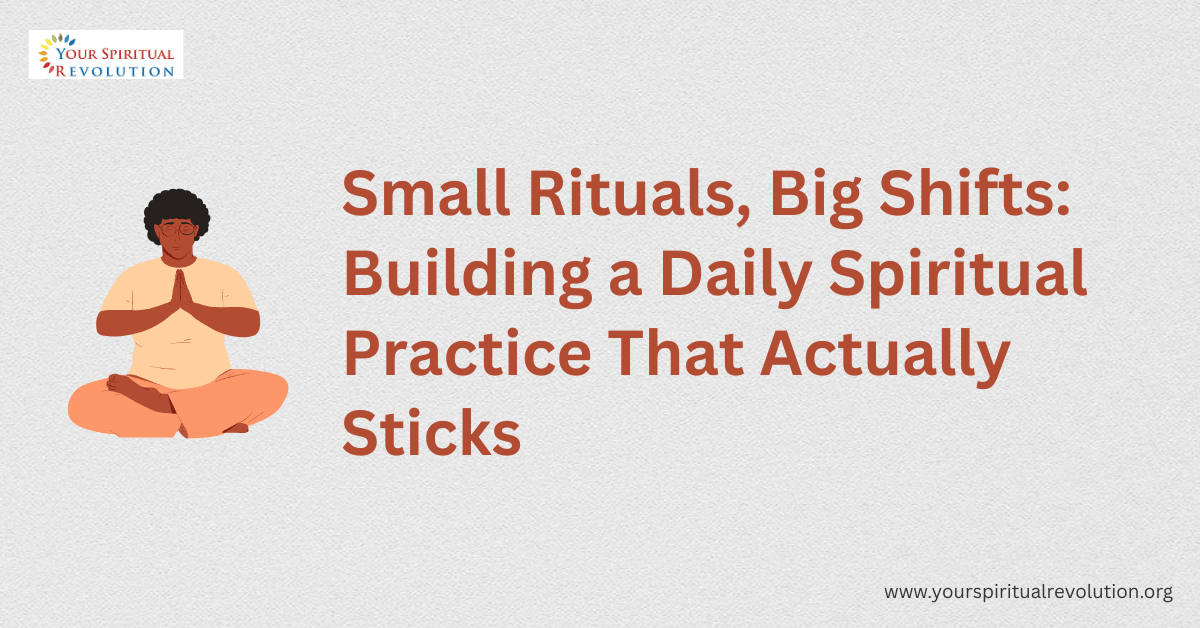
The good news is that the practices with the most staying power are almost always the smallest ones. A spiritual life doesn’t need an hour of silence at dawn to be real. It needs consistency, and consistency is far easier to build around a two-minute ritual than a sixty-minute one.
Here are a few ways to make that shift:
The good news is that the practices with the most staying power are almost always the smallest ones. A spiritual life doesn’t need an hour of silence at dawn to be real. It needs consistency, and consistency is far easier to build around a two-minute ritual than a sixty-minute one.
Here are a few ways to make that shift:
Anchor the ritual to something you already do.
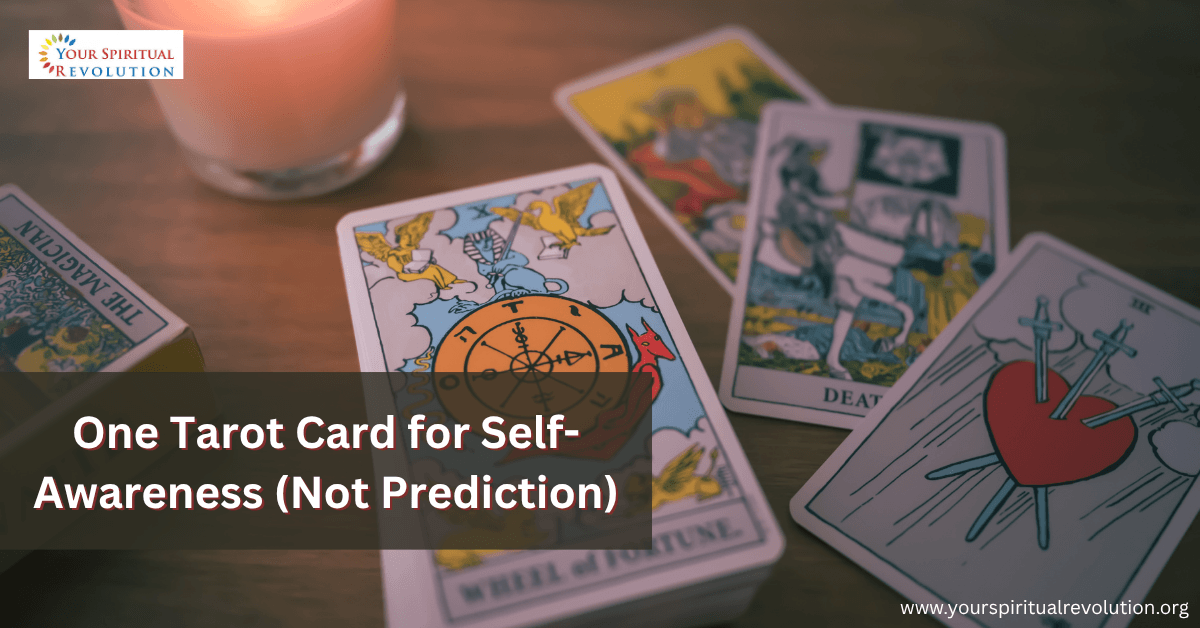
Instead of adding a new block of time to your day, attach a small spiritual practice to an existing habit — a breath and an intention while the coffee brews, a single card pulled while the kettle boils, a moment of gratitude before you check your phone. The existing habit becomes the reminder, so you’re not relying on willpower alone.
Let objects do some of the remembering for you.
A candle by the sink, a small dish of stones on your desk, a pendant you touch before a hard conversation — physical objects act as anchors that pull your attention back to practice without requiring you to consciously plan for it. This is part of why so many people build small altars or gift themselves meaningful tokens: not because the object itself is magic, but because it interrupts autopilot.
Make the ritual smaller than feels sufficient.
If a five-minute meditation keeps getting skipped, shrink it to sixty seconds. A practice that’s “too small to matter” is also too small to skip, and momentum compounds — sixty seconds of showing up today makes five minutes tomorrow far more likely than zero minutes today did.
Mark transitions, not just mornings.
Beginning-of-day rituals get the most attention, but the transitions in between — leaving work, entering the house, closing your laptop — are often where the day’s stress actually accumulates. A brief ritual at these thresholds (three breaths, a hand on the heart, naming one thing you’re releasing) can do more for your nervous system than a long practice that only happens once.
Let the practice evolve with you.
The ritual that grounded you a year ago may feel stale now, and that’s not failure — it’s growth. Spiritual practice is meant to be revisited and reshaped, not preserved exactly as it was when you started.
None of this requires elaborate tools or a total lifestyle overhaul. It requires noticing what already anchors you, and building gently from there. For readers looking for small, meaningful objects to support that kind of practice — journals, meditation aids, and thoughtful spiritual and wellness gifts — sometimes the right object really can help a ritual stick.
By Lisa Burke, owner of Choices Books & Gifts (choicesgifts.com)