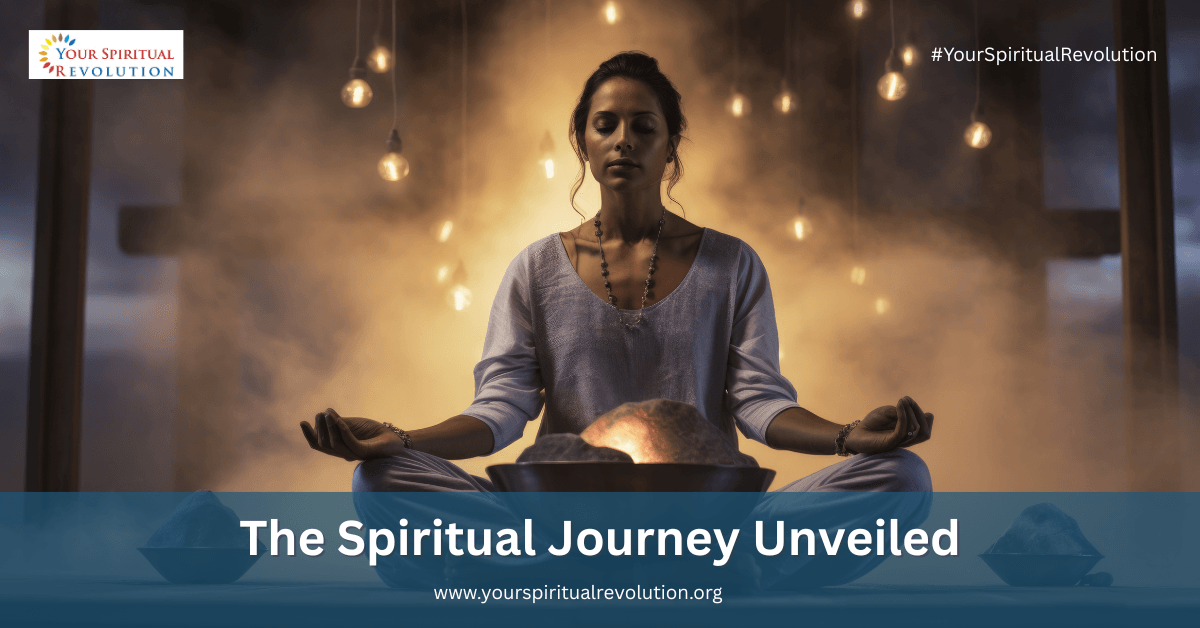
In a world seeking deeper meaning and robust health, the ancient wisdom of Spirituality and Ayurveda offers profound insights. This article delves into how these two powerful traditions, originating from the Indian subcontinent, are intricately linked. We will explore their core principles and reveal how their combined application can lead to a truly holistic approach to mind, body, and spirit wellness.
Ancient Paths to Modern Wellness The Synergy of Spirituality and Ayurveda
The profound journey towards optimal well-being often finds its most reliable compass in ancient wisdom traditions, offering synergistic paths to balanced living and inner peace in a complex modern world. Among these, the alliance between Spirituality and Ayurveda stands as a testament to humanity’s enduring quest for holistic harmony. Ayurveda, meaning “the science of life,” is an intricate medical system originating in India thousands of years ago. Its fundamental principles are rooted in the concept of the Panchamahabhutas, or five great elements – ether, air, fire, water, and earth – which are believed to constitute all matter, including the human body. These elements combine to form the three biological energies known as Doshas: Vata (ether and air), Pitta (fire and water), and Kapha (water and earth). Each individual possesses a unique blend of these Doshas, forming their innate constitution, or Prakriti, which remains constant throughout life. Health is maintained when these Doshas are in balance, while imbalances, or Vikriti, lead to disease. Ayurveda views health not merely as the absence of illness, but as a vibrant state of equilibrium across the physical, mental, and emotional realms. Essential to maintaining this delicate balance are practices like Dinacharya (daily routines) and Ritucharya (seasonal routines), which guide individuals in aligning their lifestyle with natural rhythms to foster sustained harmony.
Complementing this intricate physical science is Spirituality, understood not solely through the lens of organized religion, but as a broader, personal exploration. It encompasses the intrinsic human search for meaning and purpose, cultivating inner peace, fostering profound self-awareness, and experiencing a connection to something greater than oneself, whether that be nature, the universe, or a divine force. This modern understanding of spirituality emphasizes mindfulness, ethical living, and subjective experience, transcending rigid doctrines to prioritize personal growth and enlightenment.
The connections between these two traditions are deep and multifaceted. Ayurvedic practices inherently foster spiritual growth; for instance, daily yoga postures, meditation—a core Ayurvedic therapy for mental equilibrium—and Pranayama (breathwork) are prescribed not just for physical health but for cultivating mental clarity, emotional stability, and deeper self-awareness, all crucial pillars of spiritual development. A conscious diet, tailored to one’s Prakriti, further supports this by nourishing the body and calming the mind, allowing for greater spiritual receptivity. Conversely, a spiritual mindset profoundly supports Ayurvedic principles. Adopting a perspective rooted in intention, gratitude, practicing non-violence (Ahimsa), and consciously seeking inner balance directly reinforces the holistic lifestyle recommended by Ayurveda. Such a mindset naturally aids in stress reduction, improves digestion, and enhances the body’s innate healing capabilities, promoting overall equilibrium. Both Spirituality and Ayurveda unequivocally recognize the inseparable link between the mind, body, and spirit, asserting that true health and well-being necessitate attending to all three facets of human existence. They both champion the role of consciousness and self-awareness, encouraging introspection and understanding one’s true nature. This leads to informed, mindful choices in diet, lifestyle, and relationships that align not only with one’s unique constitutional needs but also with their overarching spiritual path, guiding individuals toward a more balanced, purposeful, and harmonious life.
Conclusions
In conclusion, the intertwining paths of Spirituality and Ayurveda offer a holistic blueprint for a balanced and meaningful existence. By embracing Ayurvedic principles of personalized well-being—from diet to daily routines—and integrating spiritual practices that foster inner peace and self-awareness, individuals can cultivate profound harmony. This synergistic approach empowers us to navigate modern life with greater resilience, purpose, and enduring vitality, bridging ancient wisdom with contemporary wellness needs.