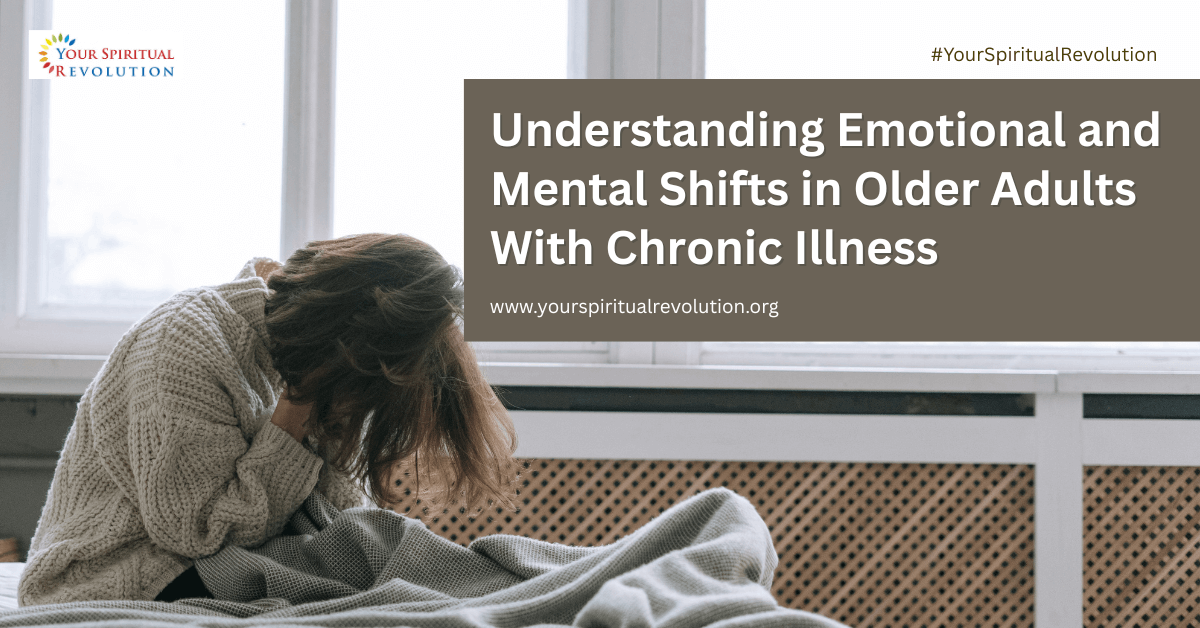
When elderly people with autoimmune or connective tissue disorders begin acting differently, it usually reflects a deeper internal strain. This may show up as anxiety, sadness, anger without clear reason, memory lapses, or personality shifts. Ayurveda looks at this through the lens of mind–body connection. If the nervous system, digestion, and daily rhythms are disturbed for a long time, behavior naturally follows.
In older age, resilience is lower. Even small disruptions, like skipped meals or poor sleep, can feel much bigger to the system. Over time, emotional regulation weakens. The person may not be able to explain what they feel, so it comes out as behavior instead.
Caregivers search for this topic because they feel stuck. Doctors often focus on skin, joints, or organs, while families are left managing confusion, stubbornness, or emotional distance at home. Many people wonder: Is this normal aging? Is it depression? Or is the illness affecting the mind too? Ayurveda offers a framework that connects these dots, without dismissing the experience as “just psychological.”
Ayurveda sees aging as a Vata-dominant stage of life. Vata governs movement, nerve signals, thinking patterns, and emotional variability. Chronic autoimmune conditions further aggravate Vata, especially when digestion (Agni) becomes weak. When digestion is poor, toxins (Ama) accumulate, affecting both physical tissues and mental clarity.
At the same time, long-standing inflammation can disturb Pitta, leading to frustration, anger, or impatience. When both Vata and Pitta are unstable, the mind becomes restless and reactive. Ayurveda does not separate mental symptoms from physical disease; they are part of the same imbalance.
Families often notice increased fearfulness, resistance to routine, emotional flatness, or sudden emotional outbursts. Some elders become overly dependent, others withdraw completely. Sleep may become light or broken. Appetite can change, and digestion may feel unpredictable. These are not isolated issues; they tend to cluster together, which is why a whole-person approach matters.
A steady daily rhythm is one of the most powerful Ayurvedic tools. Waking, eating, and sleeping at consistent times helps calm the nervous system. Gentle morning routines, such as warm water intake and slow stretching, can ground excess Vata. Quiet evenings with low stimulation are especially important. Loud TV, late-night conversations, or frequent schedule changes can worsen restlessness.
Even short moments of calm, repeated daily, create safety for the mind. Consistency matters more than intensity here.
Warm, soft, and easy-to-digest foods are usually better tolerated. Soups, stews, cooked vegetables, and well-spiced meals support digestion and comfort. Cold, dry, or processed foods can increase internal dryness and mental agitation. Gentle oil massage with warm sesame oil, even once or twice a week, may help calm the nerves and improve sleep.
Emotional nourishment is also food. Gentle conversation, reassurance, and patience go a long way, even when progress feels slow.
One common mistake is trying too many changes at once. Overloading routines, supplements, or advice can overwhelm an already sensitive system. Another issue is ignoring emotional symptoms because lab reports look “stable.” Emotional distress is real even when tests are normal. Also avoid harsh detoxes or fasting without professional guidance, as these can increase instability in older adults.
Ayurveda works best alongside modern medical care, not instead of it. Sudden confusion, hallucinations, rapid personality changes, severe depression, or aggressive behavior are red flags and require immediate medical evaluation. These may signal infections, medication side effects, electrolyte imbalance, or neurological issues.
Ayurvedic support should be gentle and individualized. Never stop prescribed medicines on your own. A qualified practitioner can help adjust lifestyle and supportive herbs safely, but collaboration with the treating physician is essential, especially in elderly patients with complex conditions.
Behavioral and emotional shifts in older adults with chronic illness are meaningful signals, not inconveniences. Ayurveda helps us slow down, observe patterns, and restore balance step by step. Small changes in routine, food, and emotional care can make daily life softer and more predictable. Try safe Ayurvedic basics, talk openly with healthcare providers, and don’t carry this alone. If this article helped, share it with others who might need it, and explore more holistic insights for long-term care.
Yes, long-term illness, aging, and nervous system strain often affect emotions and behavior gradually.
Ayurveda treats mind and body as one system, so emotional balance is a core focus, not an add-on.
Some people notice calmer behavior within weeks, others need more time. Consistency matters more than speed.
Not always. Often routine, sleep, and digestion support come first before adding anything new.
Absolutely. A calm caregiver helps regulate the patient’s nervous system more than we realize.
Yes, when kept gentle and personalized. Aggressive methods are avoided in advanced age.
Open discussion and shared observation help. Sometimes involving a neutral professional makes things easier.