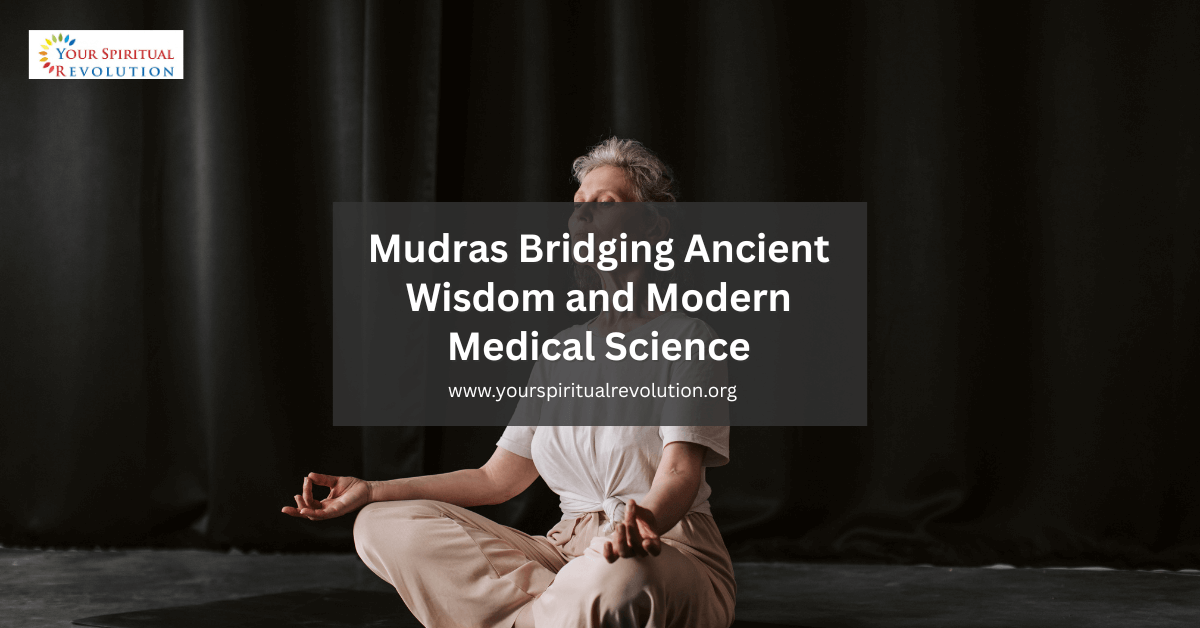
Mudras, ancient symbolic gestures primarily performed with the hands, have been revered across various cultures for their purported health and spiritual benefits. Originating in practices like yoga, Hinduism, and Buddhism, these gestures are believed to influence energy flow and consciousness. This article delves into the origins and traditional understanding of mudras, exploring how modern medical science might approach and investigate their potential physiological and psychological impacts, bridging ancient wisdom with contemporary understanding.
The Science of Mudras Exploring Ancient Gestures and Modern Health
Mudras, as sacred hand gestures and body postures, are deeply interwoven into the fabric of ancient spiritual traditions, particularly Hinduism, Jainism, and Buddhism. In Hinduism, they appear in deity iconography, classical dance forms, and as integral components of yogic and meditative practices, each gesture carrying profound symbolic meaning. Jainism utilizes mudras in its ascetic traditions and the serene depictions of Tirthankaras, embodying deep contemplation. Buddhism prominently features mudras to represent key moments in the Buddha’s life and teachings, such as Dhyana Mudra for meditation or Bhumisparsha Mudra for enlightenment. These gestures are not merely symbolic; they are traditionally understood as active tools for spiritual development and physical well-being. While hasta mudras (hand gestures) are most recognized, the broader concept includes kaya mudras (body postures) and bandhas (energy locks) within comprehensive yogic systems. Traditional wisdom posits that mudras influence prana, the vital life force, by directing or balancing its flow through specific energetic channels (nadis) and centers (chakras). By positioning fingers, it’s believed nerve endings and reflex points are stimulated, activating corresponding organs and systems. Furthermore, mudras are traditionally claimed to profoundly impact consciousness, calming the mind, enhancing concentration, fostering emotional stability, and facilitating deeper meditative states. These ancient assertions lay the groundwork for modern medical inquiry, investigating how these subtle effects might manifest in measurable physiological or psychological changes.
From a contemporary medical science perspective, investigating these traditional claims requires translating the metaphysical concept of prana into measurable physiological and psychological parameters. While prana itself isn’t a Western medical construct, its hypothesized effects – such as improved energy flow or balanced bodily functions – can be examined through observable biological responses. The fundamental approach involves hypothesizing that if mudras influence the body’s internal environment, these influences should be detectable using modern diagnostic tools. This scientific exploration seeks to identify specific, quantifiable changes in individuals practicing mudras, moving beyond subjective experience to objective data. Potential areas of scientific inquiry are broad. Researchers could investigate the impact of mudras on the nervous system, examining if specific hand gestures modulate autonomic nervous system activity, shifting the balance towards parasympathetic dominance. This could be observed through changes in heart rate variability (HRV), a key indicator of autonomic balance. The role of mudras in stress reduction and promoting mental well-being warrants rigorous study, involving measurement of physiological markers like salivary cortisol alongside standardized psychological assessments for anxiety and depression. Neuroimaging techniques such as EEG or fMRI could monitor brain activity, seeking patterns associated with relaxation or enhanced cognitive function. Crucially, studies must meticulously address the placebo effect, designing robust control groups or sham interventions to ensure observed benefits are attributable to the mudra practice itself, not just expectation.
Conducting scientific research on mudras presents significant challenges. Standardizing practices across ancient interpretations and determining optimal “doses” is complex. The subjective nature of traditional descriptions is difficult to translate into empirical measurements. Designing studies with effective participant blinding is also problematic when the intervention involves conscious physical gestures. Ethical considerations, funding, and isolating mudra effects from concomitant practices like pranayama or meditation add further hurdles, requiring sophisticated methodological approaches. Despite these challenges, the opportunities are compelling. Mudras represent a potentially low-cost, non-invasive, and accessible intervention for self-management, offering expanded therapeutic options if scientifically validated. Advancements in neuroimaging, wearable sensors, and psychometric tools provide unprecedented capabilities to explore subtle mind-body interactions. The importance of an evidence-based approach here cannot be overstated. While anecdotal evidence, like personal testimonials, can generate hypotheses, it fundamentally differs from scientifically validated data. Anecdotal accounts lack controls, are prone to biases, and cannot establish causality. Scientifically validated data, derived from rigorous research methodologies (e.g., randomized controlled trials, systematic reviews), minimizes bias and establishes reliable, reproducible findings. For mudras to gain wider acceptance and responsible integration into modern healthcare, their efficacy and safety must be demonstrated through stringent scientific validation, grounding therapeutic recommendations in robust evidence rather than belief alone.
Conclusions
In conclusion, mudras represent a fascinating intersection of ancient spiritual practice and potential modern health benefits. While traditional accounts highlight their role in energy manipulation and holistic well-being, a scientific lens offers avenues for empirical investigation. Rigorous research is essential to validate these claims, exploring their effects on physiological and psychological parameters. By bridging traditional wisdom with evidence-based inquiry, we can gain a deeper, more comprehensive understanding of mudras and their potential role in integrative health practices.