In our fast-paced world, finding moments of calm can be challenging. Deep breathing and meditation offer powerful pathways to achieve mental clarity and emotional stability. These ancient practices are increasingly recognized for their profound benefits on overall well-being. By training attention and awareness, individuals can cultivate a greater sense of peace and resilience, transforming how they react to stress and navigate daily challenges effectively.
Cultivating Calm The Intertwined Benefits of Deep Breathing and Meditation
A cornerstone of these ancient traditions, deep breathing, fundamentally refers to diaphragmatic breathing. This physiological marvel involves the powerful contraction of the diaphragm, a dome-shaped muscle situated beneath the lungs. As the diaphragm descends, it creates a vacuum that pulls air deep into the lungs, simultaneously causing the abdomen to gently expand outwards. This contrasts sharply with the common tendency towards shallow, thoracic breathing, which primarily relies on intercostal muscles and provides less efficient oxygen exchange. The profound impact of diaphragmatic breathing extends beyond mere oxygenation; it plays a critical role in maintaining stable arterial carbon dioxide levels and, consequently, the pH balance of the extracellular fluid. By promoting efficient gas exchange and preventing the rapid expulsion or retention of CO2, deep breathing helps to mitigate symptoms associated with hyperventilation, such as dizziness and tingling, and counteracts the accumulation of CO2 seen in hypoventilation. This deliberate regulation of breath helps to signal safety to the nervous system, calming the fight-or-flight response often triggered by shallow breathing. This conscious control of respiration has been central to practices like Pranayama, an integral component of Yogic meditation traditions, for millennia, recognized as a direct pathway to influencing one’s internal state and fostering a profound sense of physiological equilibrium.
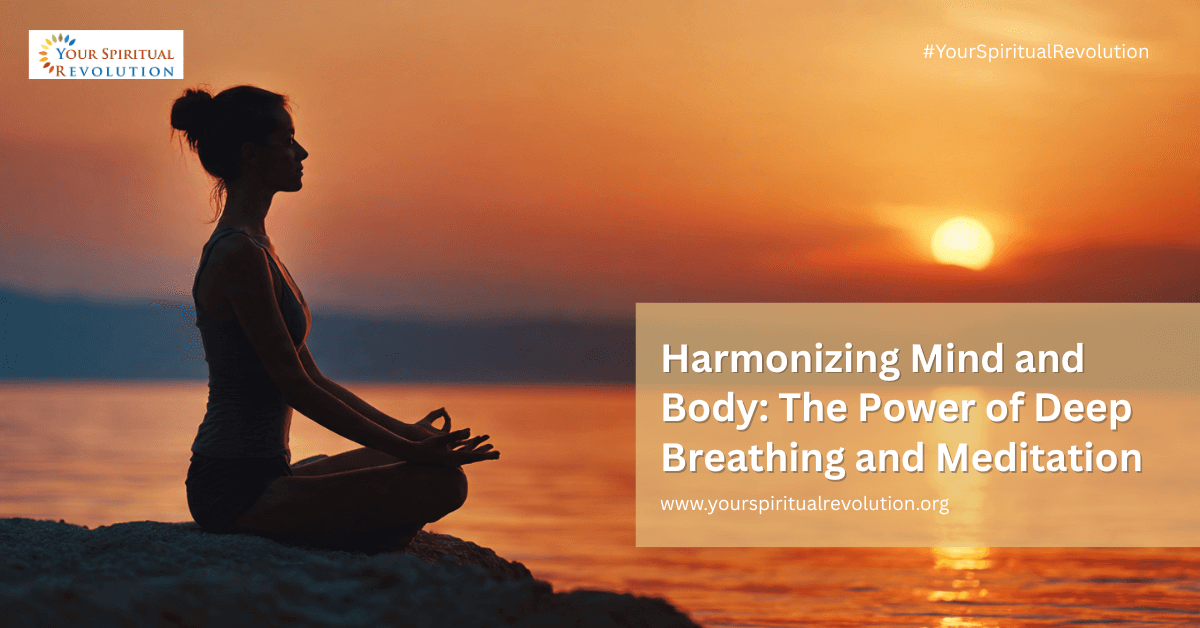
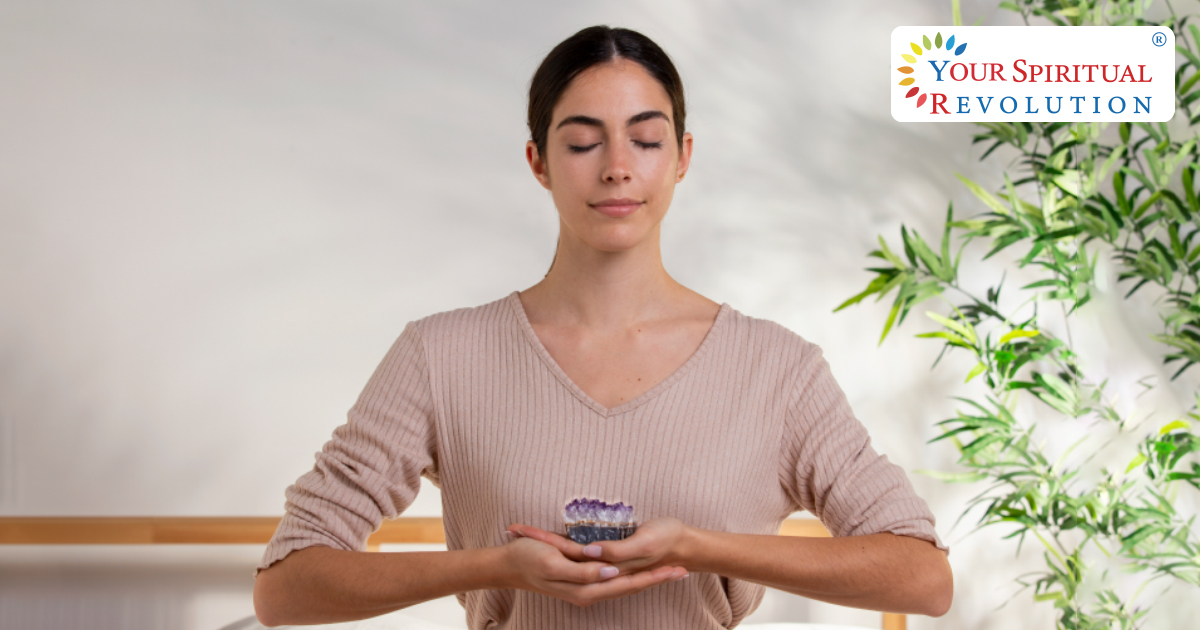
Parallel to the profound effects of controlled respiration stands meditation, a venerable practice designed to train attention and awareness. Far from simply relaxation, meditation is an active process that cultivates the ability to detach from the incessant stream of discursive thinking – the mind’s tendency to wander and ruminate. Through consistent practice, individuals learn to observe thoughts without attachment, thereby achieving a mentally clear, emotionally calm, and stably focused state. Common meditative techniques include focused attention, where the practitioner directs their awareness to a single object, such as the rhythmic sensation of the breath, a mantra, or a visual anchor. Alternatively, open monitoring, often referred to as mindfulness, involves non-judgmentally observing whatever arises in the present moment, whether it be thoughts, emotions, or bodily sensations, without clinging or aversion. The health benefits gleaned from meditation are extensive and well-documented, encompassing significant reductions in chronic stress, fear, anxiety, and symptoms of depression and even pain. Research indicates that consistent meditation can alter brain structure and function, increasing grey matter in areas associated with attention and emotional regulation, and potentially reducing the size and activity of the amygdala, the brain’s fear center. Beyond mere alleviation, meditation fosters profound enhancements in inner peace, perceptual clarity, a more positive self-concept, and an overall heightened sense of well-being, allowing individuals to navigate life with greater equanimity and wisdom.
The true power of these practices often lies in their synergistic combination. When deep breathing techniques are consciously integrated into meditative practice, their individual benefits are not merely added but amplified. The physiological calm induced by diaphragmatic breathing creates an optimal internal environment, preparing the nervous system and the mind for deeper states of meditative focus and sustained concentration. Conversely, the enhanced self-awareness and mental clarity cultivated through meditation strengthens one’s capacity to maintain consistent, conscious, and controlled breathing, making the practice more effective and accessible. This interwoven approach creates a potent, holistic pathway to mental and physical harmony, fostering a sustained state of inner peace, emotional resilience, and a profound sense of overall well-being against life’s myriad challenges.
Conclusions
Deep breathing and meditation are profound practices offering a gateway to inner tranquility and enhanced well-being. Consciously engaging the diaphragm regulates our body’s internal chemistry, reducing physiological stress. Concurrently, meditation trains our minds to detach from chaotic thoughts, fostering clarity and emotional stability. Integrating these techniques provides a powerful synergy, equipping individuals with essential tools to navigate life’s complexities and cultivate a more peaceful, balanced existence.