Chakras and auras are integral concepts in various spiritual traditions, particularly within Hinduism and Buddhism. They represent the energy centers and the luminous fields surrounding individuals. This article delves into their meanings, significance, and the ways they influence our physical and emotional well-being.
The Nature and Significance of Chakras
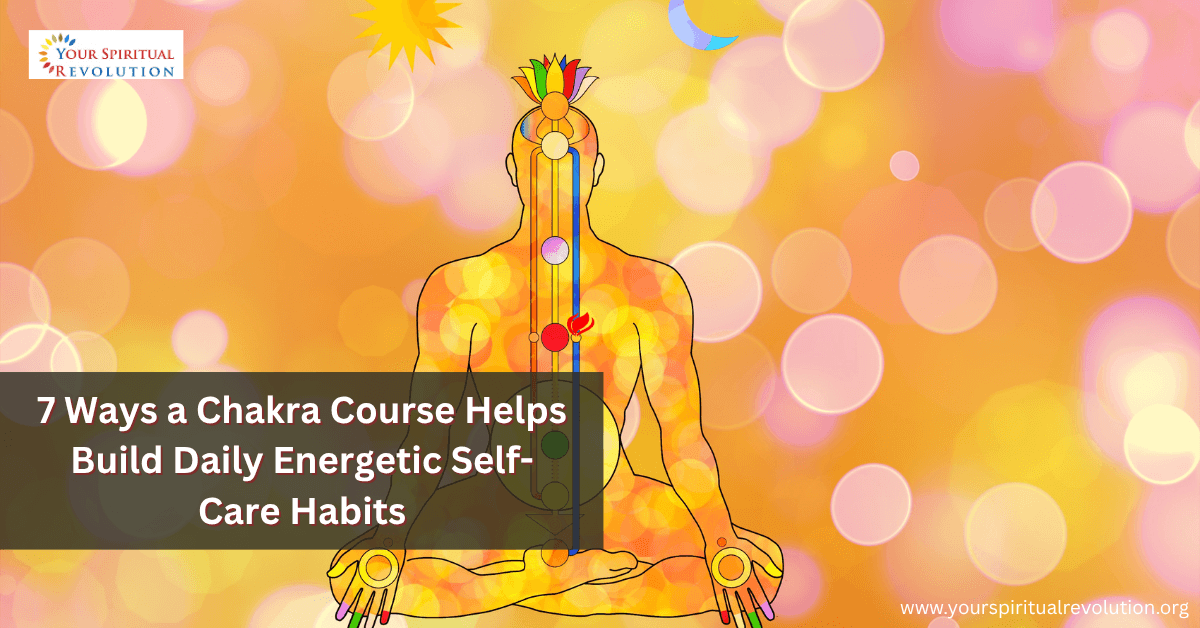
Chakras are often described as centers of psychic energy situated along the spine, representing a profound aspect of Hindu and Buddhist traditions. These energy centers facilitate the flow of life force, or prana, through the physical and subtle body. In total, there are seven primary chakras, each corresponding to a significant area of the human experience. Starting from the base of the spine and moving upward, the chakras include the Root, Sacral, Solar Plexus, Heart, Throat, Third Eye, and Crown chakras. Each of these chakras holds unique attributes, influences specific organs and emotional states, and relates to different aspects of our physical and spiritual health.
The Root Chakra, located at the base of the spine, is responsible for our sense of stability and security. It governs our basic survival needs, connecting us to the earth and grounding our energy. The Sacral Chakra, situated just below the navel, embodies creativity and sensuality, influencing our ability to experience pleasure and emotional connection. Further up, the Solar Plexus Chakra plays a pivotal role in personal power, self-esteem, and will. It is often associated with the digestive system and can affect one’s confidence and motivation.
The Heart Chakra, located in the center of the chest, is the bridge between the lower and upper chakras, embodying love, compassion, and emotional balance. It is crucial for healthy relationships and emotional clarity. The Throat Chakra, situated at the throat, governs communication and self-expression. It facilitates the sharing of ideas and allows an individual to speak their truth. The Third Eye Chakra, located in the forehead just above the eyes, is associated with intuition, foresight, and mental clarity. It connects the physical world with spiritual insight. Finally, the Crown Chakra, located at the top of the head, represents spiritual connection and enlightenment, serving as the channel for divine energy.
Historically, the concept of chakras originates from ancient Indian texts called the Vedas, which date back over 5,000 years. These texts, along with subsequent writings like the Upanishads and the Tantras, offer extensive descriptions of the subtle body and energy systems. Over centuries, different interpretations of the chakras emerged, embracing diverse meanings and practices across cultures. In modern times, chakra work has gained recognition in the realms of holistic health, yoga, and spiritual healing, emphasizing the significance of balancing these energy centers for achieving emotional and physical well-being.
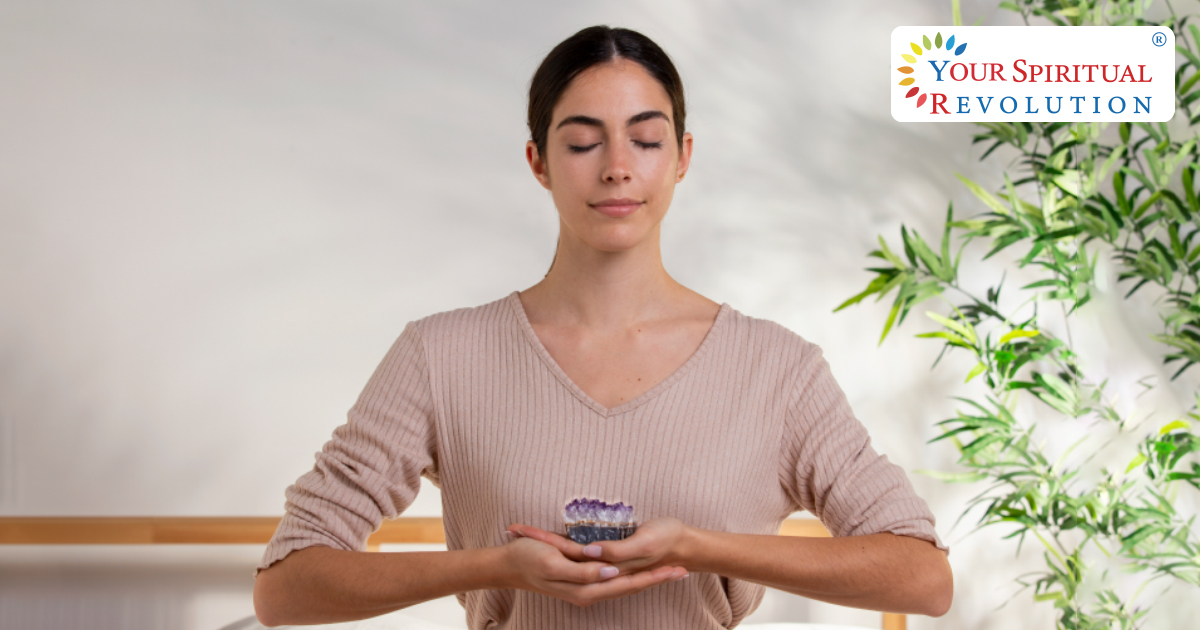
A vital aspect of chakra philosophy is the notion that each chakra influences not just physical health, but emotional health as well. When chakras are blocked or imbalanced, individuals may experience a range of physical ailments, such as digestive issues or respiratory problems, alongside emotional disturbances, including anxiety or depression. Various practices, including meditation, yoga, and energy healing, can be employed to balance the chakras. For instance, yoga poses specifically target certain chakras, promoting the flow of energy through the body. Meditation techniques often encourage visualization of the chakras, enabling practitioners to focus on healing and rejuvenating each center.
Engaging with chakra work can lead to profound transformations, not only heightening self-awareness but also fostering a deeper connection between one’s body, mind, and spirit. By consciously attending to these energy centers, individuals may find improvement in their emotional responses, physical vitality, and overall state of being, creating a harmonious environment both internally and externally. This journey toward balance is not merely about addressing issues but invites a holistic approach to well-being that honors the interconnectedness of our emotional, physical, and spiritual selves. Ultimately, as individuals learn to navigate and harmonize their chakras, it paves the way for greater resilience, clarity, and a deeper sense of purpose in life.
Understanding Auras and Their Resonance
Auras are fascinating manifestations of energy that surround all living beings, forming an intricate field that can provide insights into one’s emotional and physical state. This energy field, often perceived as colorful layers enveloping a person, can vary in size, shape, and intensity. At its core, an aura is a reflection of a person’s vibrational energy, which is influenced by their thoughts, emotions, health, and spiritual condition. By observing and understanding auras, one can gain profound insights into their own wellbeing and that of others.
The colors of an aura convey specific meanings. Each hue represents different emotional and psychological states. For example, a soothing blue aura might indicate calmness and tranquility, while a vibrant yellow aura often reflects enthusiasm and creativity. When interpreting auras, it’s essential to consider not only the predominant color but also the shades and intensity of the colors present. A bright and clear aura suggests vitality and positivity, while murky or dull colors may indicate emotional turmoil or illness. Shapes and patterns within an aura can also hold significance; for instance, wisps or distortions might signify blockages or unresolved issues, much like stagnant energy within one’s chakras.
Understanding the relationship between auras and chakras is crucial for a comprehensive view of one’s energetic being. Chakras, as explored previously, are the energy centers that govern various aspects of our physical and emotional selves. Each chakra is associated with specific organs, emotions, and colors, creating a symbiotic relationship with the aura. For instance, a well-balanced heart chakra, symbolizing love and compassion, typically radiates a vibrant green aura that harmonizes with feelings of peace and connection. Conversely, if a chakra is blocked or unbalanced, such as a sluggish throat chakra linked to communication, it can lead to a lackluster aura that may reveal frustration or disengagement. This interplay suggests that the health of one’s chakras directly impacts the quality of one’s aura.
To actively enhance one’s aura, it is vital to focus on chakra alignment and overall energetic balance. Here are several practical tips to improve and perceive one’s aura for better wellness:
1. Meditation: Engaging in regular meditation helps to center the mind, calms emotions, and opens the flow of energy through the chakras. Visualizing the colors associated with each chakra during meditation can enhance their vibrational energy.
2. Breathwork: Practicing conscious breathing techniques can clear stagnant energy and boost overall vitality. Inhale deeply, visualizing light filling the chakras, and exhale any negativity, allowing your aura to expand and brighten.
3. Grounding: Connecting with the earth through nature can stabilize energies and enhance one’s aura. Activities such as walking barefoot, gardening, or simply spending time outside encourage a deep-rooted sense of stability and balance.
4. Affirmations: Positive affirmations directed at each chakra can facilitate healing and evoke self-awareness. For example, affirming “I communicate clearly and confidently” can energize the throat chakra.
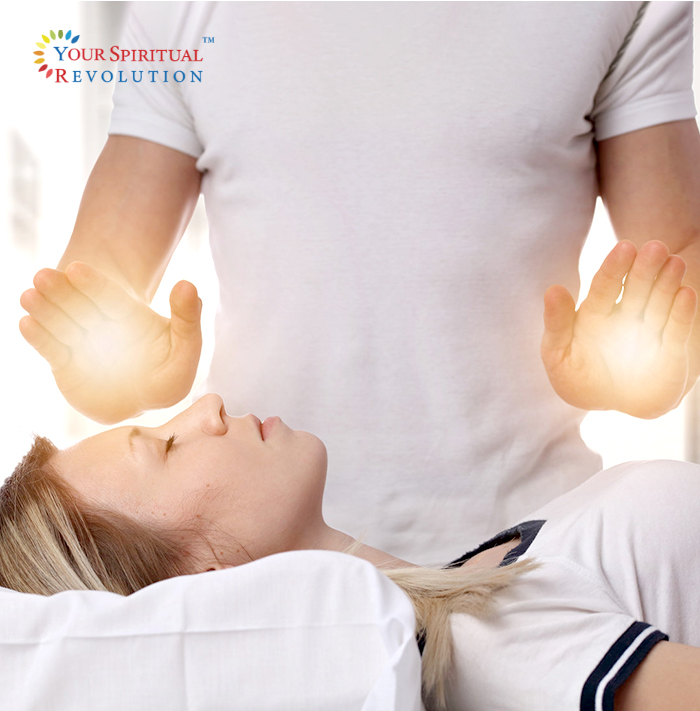
5. Energy Healing Practices: Techniques such as Reiki, acupuncture, or crystal therapy can assist in restoring balance between chakras and enhancing the aura. These practices help in removing blockages, allowing energy to flow freely.
6. Mindful Living: Engaging in activities that uplift you—like practicing gratitude, engaging with loved ones, or exploring creative outlets—can enhance your emotional state and, subsequently, your aura.
By integrating these practices into daily life, individuals can not only enhance their own aura but also foster an environment conducive to emotional and physical wellness. Understanding and nurturing the dynamic relationship between chakras and auras opens the door to a deeper comprehension of oneself and a pathway to holistic health.
Conclusions
In summary, chakras and auras provide profound insights into the energetic dynamics of our existence. By understanding and balancing our chakras while being aware of our auras, we can enhance our overall health, emotional stability, and spiritual growth. Embracing these concepts can lead to a more harmonious life.